
Current Research
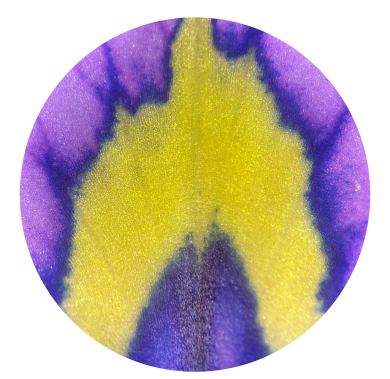
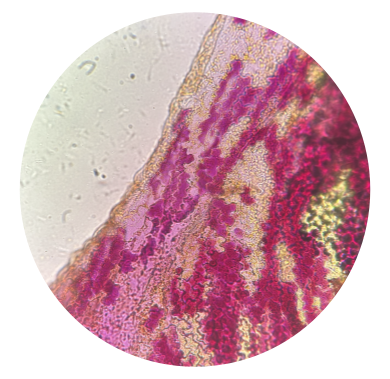
Floral coloration is determined by the synthesis and accumulation of secondary metabolites. Carotenoids and flavonoids, in particular anthocyanins, are among the most common pigments found in petals. Variation of these pigments leads to a diversity of petal coloration acting as visual signals for attracting differing suites of pollinators. Pollinators can respond to petal color and patterns prior to approaching a flower. For example, petal patterns such as spots and stripes act as nectar guides to orient the pollinator to floral rewards. Cleomaceae is an ideal family to explore the basis of such features because it exhibits a vast amount of floral diversity. In this family, petal morphology and color can differ between species as well as within a flower of a single species. We are combining transcriptomic methods with high performance liquid chromatography to examine the basis and patterns of petal pigmentation between Cleomaceae species and within flowers to provide insight into the diversification and evolution of petal color.
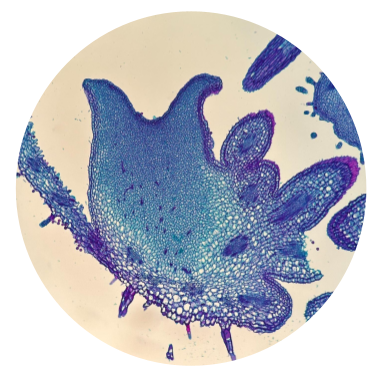
Nectaries are essential floral structures that facilitate the interaction between plants and their pollinators. Plants are able to do so by producing a sugary secretion, nectar, which acts as a reward for pollinators. Nectaries are united by the fact that they are a nectar producing structure, however they come in various forms and positions. Within Cleomaceae, there are three identified floral nectary types; annular, concave adaxial, and protruding adaxial. Despite the importance of these nectar producing structures, there is limited information regarding the genetic basis of these nectary traits. Using methods in transcriptomics, scanning electron microscopy, histology, and in situ hybridization, we will look to determine the genes responsible for nectary shape and positioning. This research will provide further insight into the development of floral nectaries throughout Cleomaceae.
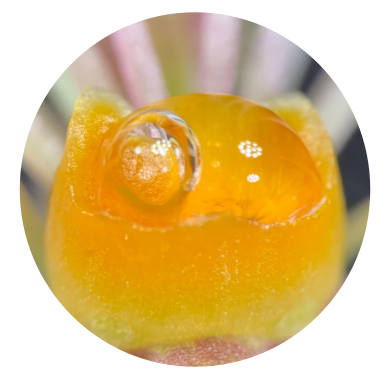
Despite the importance of nectaries in pollinator interactions and plant reproduction, they are highly understudied in a developmental, genetic, and ecological sense. Polanisia dodecandra is an excellent species to study these aspects of nectary biology. They have large extrastaminal protruding adaxial nectaries that bear a relatively large nectar droplet, which has the ability to attract a suite of pollinators. Polanisia dodecandra is also widespread throughout North America, meaning they grow and reproduce through a wide variety of climates that differ in temperature and water availability. This project used transcriptomics, metabolomics, histology, scanning electron microscopy, and experimental stress conditions to determine how these nectaries develop and respond to their environment. By understanding the development of these essential floral organs, we can further understand how they respond to environmental stressors and predict how this may impact pollinator interactions.